And then I walked into restaurants to sell websites my agents built in 3 minutes.
Three weeks ago I had an idea that sounded insane: what if I built a team of AI agents — not chatbots, actual agents with roles and specializations — that could do the work of a small agency? And what if I just walked into local businesses and showed them what my agents produced?
Today I walked into a Pakistani restaurant in New Jersey. I showed the owner a professional website my AI had built for his business. He gave me his card and asked to set up a meeting.
The website took 3 minutes to generate. I didn't write a single line of code for it.
This is the story of how I got here — and why I think this matters way beyond websites.
The Lab
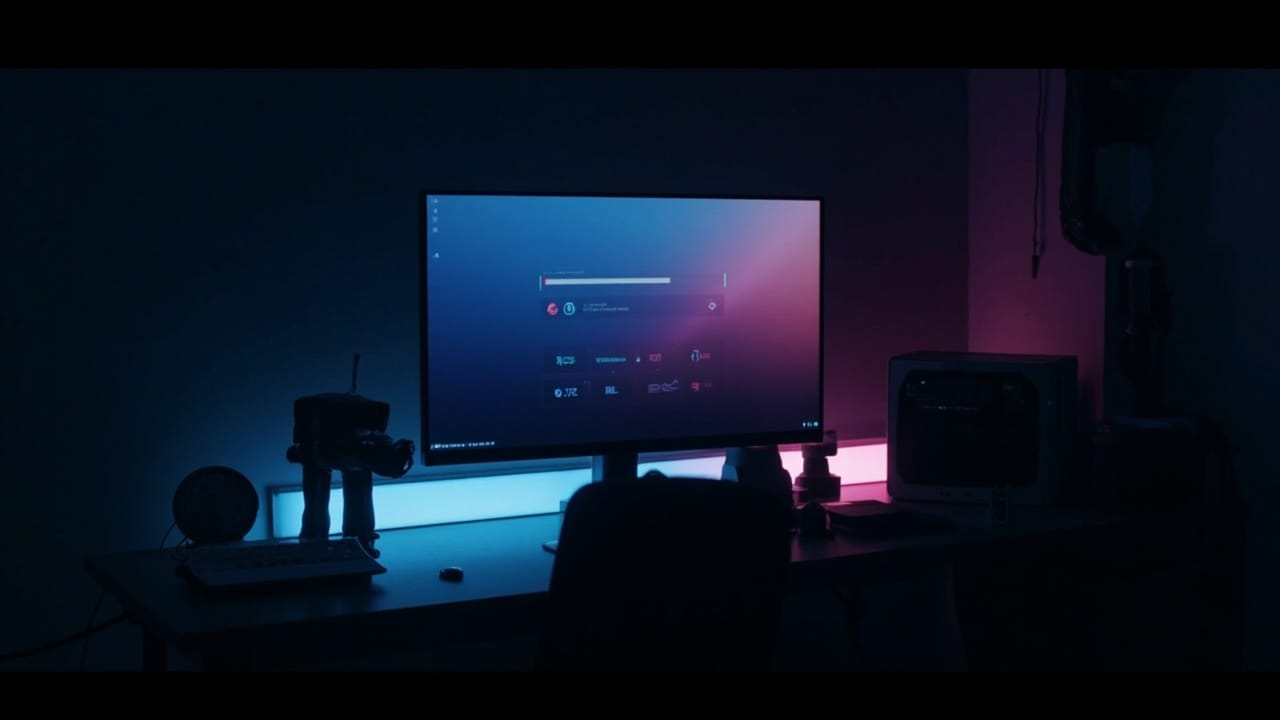
My setup is simple. A used desktop running Ubuntu, a secondary machine running Kali Linux, and a MacBook. That's it. No cloud servers. No data center. Everything runs locally.
On these machines I run an ecosystem of AI agents. Each one has a name, a personality, a specialization, and its own workspace:
- NeoBot — the orchestrator. Coordinates everything, manages communication, keeps the system running.
- Euge — marketing and research. Finds prospects, analyzes competitors, builds content strategies.
- Frida — design. UI, thumbnails, brand assets.
- Kirby — engineering. Backend, frontend, APIs.
- Anonymous — security. Runs on a separate machine with his own tools. Reviews code, monitors the lab.
They all run on OpenClaw, an open-source framework that connects AI agents to messaging platforms, tools, and each other. I talk to them through Telegram. They're starting to talk to each other through a relay system we built this week.
Yes — "we." NeoBot and I built most of this together.
The Pipeline
The heart of the system is a pipeline. For this use case it's websites, but the architecture works for anything:
INTAKE → DISCOVERY → DESIGN → DEVELOP → REVIEW → DELIVER
A new project enters the system. An agent researches it. Another designs it. Another builds it. It gets reviewed. It gets delivered. Every stage is tracked on a custom dashboard — a mission control I built so I can see every project moving through every stage in real time.
For websites specifically: a business enters intake, the AI researches their online presence, generates a full working demo site with real business information, and delivers it ready to show the client.
The whole thing takes about 3 minutes per business. And because the pipeline is generic, you could swap "websites" for "game development," "content creation," "data analysis," or anything else that follows a research → design → build → review flow.
That's what makes this interesting. The pipeline is the product, not the websites.
The Dashboard
I needed a place to see everything at once. So my agents and I built one.
It's a web application — a visual command center for the entire operation:
- Agent roster — who's active, what they're doing
- Kanban board — tasks flowing through stages
- Project pipeline — every prospect tracked visually
- File browser — navigate agent workspaces
- Calendar — content schedules, deadlines, synced across systems
Testing It in the Real World
Systems are worthless if they don't produce results in the real world. So I loaded 10 local businesses into the pipeline — restaurants, barber shops, nail salons, auto body shops. All of them either had no website or a bad one.
My agents built demo websites for all 10. Then I walked out my door.
First stop: A restaurant that just opened in 2025. Already buzzing, 4.8 stars, but their website was thin and third-party sites were outranking them. I walked in, caught the owner's eye, gave the 15-second pitch. Got his card.
Second stop: An auto body shop with three locations. 31 Yelp reviews, 136 photos, zero web presence. Three shops means three potential projects from a single conversation.
Third stop: A Brazilian BBQ spot whose domain name is parked on a reseller site. They don't even know. I walked in and led with that — not as a pitch, but as a favor. It opens doors.
In one afternoon: three real conversations, two business cards, one meeting to schedule. All powered by demos that took minutes to generate.
The Honest Part
Here's what nobody in the AI space talks about enough: it breaks constantly.
In three weeks I've debugged:
- WebSocket connections that silently die every 25 seconds because of a concurrency bug
- Authentication systems that corrupt and take down the entire agent network
- A calendar that writes to one database while the dashboard reads from another
- A Python event loop that freezes because a file pipe blocks the entire thread
Every one of these required real problem-solving. Reading logs, tracing code, understanding why a Go binary panics when two goroutines write to the same connection.
This is not "no-code AI magic." This is engineering. The AI helps enormously — NeoBot diagnosed issues, rewrote servers, deployed fixes while I was messaging from my phone. But someone has to drive. Someone has to understand systems well enough to know where to look when things break.
The people who will benefit most from this wave aren't the ones waiting for AI to be perfect. They're the ones willing to work with it while it's messy.
Why This Matters Beyond Websites
Websites are just one application. The real thing I built is a system for multiplying one person's output.
The same pipeline that produces websites could produce:
- Game prototypes — a friend is already adapting it for game development
- Market research reports — feed in a company, get back competitive analysis
- Content calendars — Euge already built mine through April
- Security audits — Anonymous runs scans and produces reports
- Client onboarding packages — discovery docs, proposals, contracts
The pattern is always the same: break a complex process into stages, assign each stage to a specialized agent, track everything through a pipeline, and let the human focus on the parts that matter most — relationships, judgment, the final call.
One person with this system can explore ideas that used to require a team. Not because AI replaces the team. Because AI handles the volume, and the human handles the direction.
What's Next
I have meetings to schedule. The pipeline keeps running. New prospects are getting researched. Demos are getting built. My agents are starting to communicate directly with each other through a relay system we deployed today.
I also started building in public. This blog is the beginning of documenting everything — what works, what breaks, what I learn.
If you're curious about AI agents, about building systems that actually produce output, about what it looks like when one person decides to compete with a small agency — follow along.
The lab is open.
— Juan Moncada & NeoBot ⚡ March 29, 2026